
Research
Trials by leading animal research bodies and universities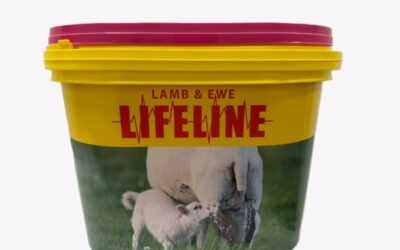
Lifeline Lamb and Ewe Trial Work
Could the right feed block before lambing mean better colostrum quality? SAC research says yes.
What’s in your grass? #MineralsMatter – March 2021
It is very important when managing stock to manage their minerals! Our latest grass sample report gives a good insight into what minerals are lacking and what we need to supplement our grazing livestock for optimum health & performance.
Irish Grass Mineral Analysis Report #MineralsMatter – September 2020
Grass samples were collected across the country week commencing 21st September. On a whole, September has been quite a good month weather wise across the country. However, with ups and downs in temperatures we are experiencing colder nights and frosty mornings going forward into October.
Irish Grass Mineral Analysis Report #MineralsMatter – June 2020
Grass samples were collected across the country in mid-June. During this period, we saw much more rainfall compared to the drought conditions in places during the month of May. We experienced average temperatures in the region of 12-15 °C.
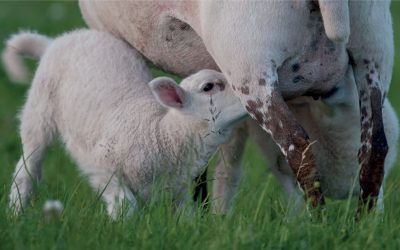
Irish Grass Mineral Analysis Report #MineralsMatter – April 2020
Grass samples were collected across the country in the last week of April. During this period, we saw good grass growth combined with warm sunshine and limited rain across the region. These weather conditions were a stark contrast to those being experienced when the first samples were collected in February.
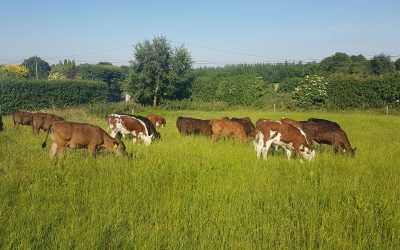
What’s in your grass? #MineralsMatter – February 2020
Thanks to storms Ciara, Dennis and Jorge during the month of February in Ireland we experienced prolonged periods of heavy rainfall which resulted in extensive flooding across the country. It was recorded that certain places had 1.5 to 3.3 times the normal monthly rainfall for February.
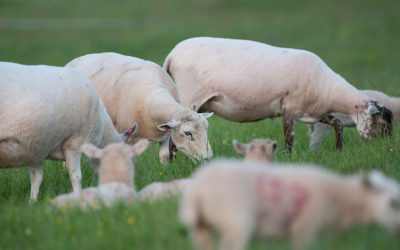
What’s in your grass? #MineralsMatter – Jan 2020
December/January grass mineral values and the best products to use for out-grazing ewes. Uniblock’s latest grass testing is to help inform farmers’ decisions on supplementing grazing pregnant ewes with trace elements and minerals this winter to protect flock productivity, fertility and health and to ensure the viability of their unborn lambs.
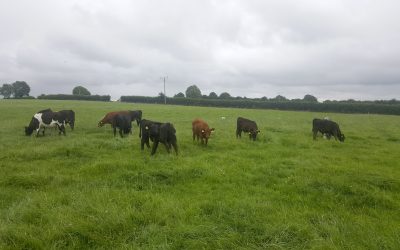
What’s in your grass? #MineralsMatter – October 2019
Results from our grass samples collected across the country in the month of October are quite different to what we seen back in July. Average Nitrogen levels in the grass are somewhat higher in October (3.5%) compared to grass sampled in July (2.8%). We also seen an increase in levels of calcium, phosphorus, potassium, copper, zinc, manganese, molybdenum, cobalt, iron, and aluminium over the last three months (see table 1).
What’s in your grass? #MineralsMatter – July 2019
Magnesium and sodium levels on average across the 10 samples is relatively low. The risk of grass staggers may increase with lower levels of magnesium in the herbage; however, it is not a reliable measure on its own. Sodium levels are also important when considering magnesium disorders in animals.