
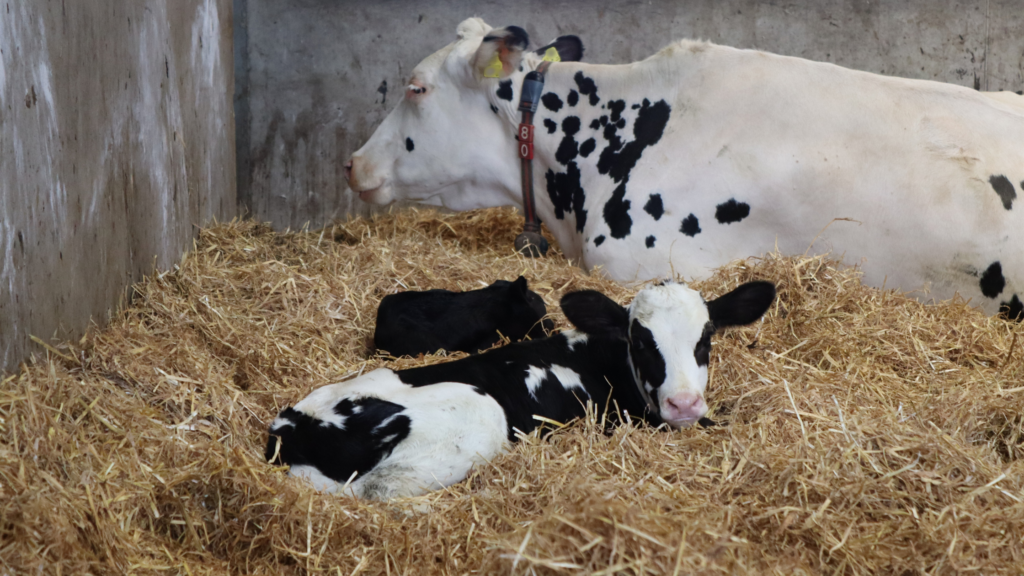
Most of the focus during the dry period is on preparing the cow for calving and the next lactation. However, emerging research shows that metabolic events before calving can directly influence the calf’s future performance.
One key factor is BHB (β-hydroxybutyrate)—a ketone produced when cows are in negative energy balance.
Even when cows show no visible signs of ketosis, moderately elevated BHB levels can still have important biological effects.
What the Research Shows
A recent study (Zheng et al., 2026) compared calves born to cows with lower versus moderately higher BHB levels during the dry period.
At birth, calves appeared normal, with no difference in weight. However, when rumen development was examined, clear differences emerged.
Calves from higher-BHB (subclinical ketosis) cows showed:
● Reduced rumen papillae size (less surface area for nutrient absorption)
● Weaker rumen barrier function
● Increased inflammation in rumen tissue
● Reduced activity of key growth and metabolic regulators
In simple terms, these calves had rumens that were less developed and potentially less efficient from the start.
Why This Matters on Farm
The rumen is central to how efficiently a calf converts feed into energy as it grows.
If development is compromised early:
● Calves may adapt more slowly to solid feed
● Feed efficiency may be reduced
● Long-term performance could be affected
Importantly, these effects were seen even when cows were not clinically ketotic.
How to Keep BHB Under Control
In practice, supporting the transition cow requires not just supplying nutrients, but ensuring they are available and effectively utilised.
Managing BHB is primarily about maintaining good energy balance, with protein and minerals playing important supporting roles. While protein does not directly reduce BHB, when it is well balanced—particularly in terms of metabolizable protein—it can help support dry matter intake, maintain liver function, and reduce the severity of negative energy balance.
Similarly, minerals act as the cow’s metabolic support system, helping her cope with the demands of the transition period.
For example, having a well-designed pre-calving mineral programme in place, such as Uniblock’s Lifeline Pre-Calver, supports this approach by combining protected trace minerals (including hydroxy forms of copper and zinc) with rumen-protected protein sources, alongside yeast products and additional energy components. This type of formulation helps improve liver function, support immune response, and promote more consistent feed intake, while also contributing to enhanced colostrum quality and calf vitality.
Ultimately, it is the combination of good energy management and the availability of key nutrients that reduces metabolic stress and supports both cow performance and calf development.
Cobalt – Supports Glucose Production
Cobalt is required for rumen microbes to produce vitamin B₁₂, which is essential for converting feed into glucose. More glucose means less need for fat mobilisation and lower ketone production.
Ensure cobalt is correctly included in dry cow minerals—deficiencies are easy to miss but can increase ketosis risk.
Selenium – Protects Liver Function
Selenium supports antioxidant systems and helps the liver process mobilised fat more efficiently. A healthy liver is critical for keeping ketone levels in check—whereas a stressed liver produces more ketones.
Use balanced selenium supplementation; organic forms can improve uptake.
Zinc – Supports Tissue Integrity and Intake
Zinc plays a role in maintaining gut health, immune function, and overall metabolic stability.
Include adequate zinc—often with a proportion from more bioavailable sources to improve availability.
Chromium – Improves Energy Use
Chromium enhances insulin sensitivity, helping cows use glucose more efficiently and reduce reliance on body fat reserves. This is particularly beneficial during the close-up period when metabolic demand is highest.
Don’t Forget the Basics
Minerals are important—but they work best alongside good management:
● Avoid over-conditioned cows at drying off
● Feed controlled-energy dry cow diets
● Maintain dry matter intake before calving
● Ensure a smooth transition into lactation
Conclusion
Managing BHB in dry cows is not just about preventing ketosis—it is about building a better calf from day one.
Even moderate increases in BHB can influence rumen development, with potential long-term effects on performance.
While energy management is the foundation, getting the mineral balance right helps the cow cope with metabolic stress—and supports the next generation.
Recent Comments